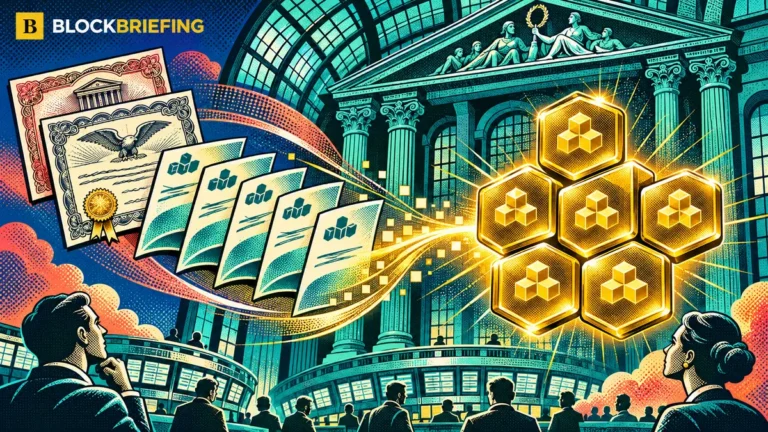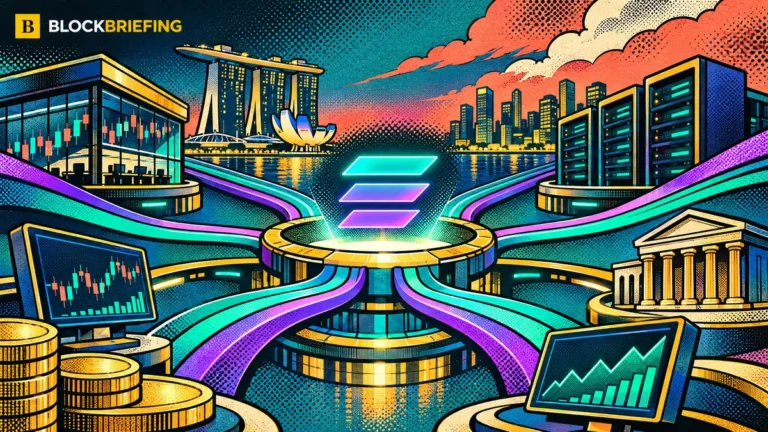
Soneium opened subscriptions on November 17 for an $850,000 bond offering backed by K-pop concert revenue. The product advertises a 12% annual percentage rate over nine months, with a $100 minimum subscription and restrictions on who can participate.
According to Soneium’s product announcement, subscriptions close on December 1 and the bond matures on September 1, 2027. The offering is tied to a year-end concert by Seo Eunkwang of BTOB, produced by DayOneDream.
Soneium K-pop bond offers fixed terms without trading
The bond is backed by $CNCRT, issued by DayOneDream’s WAVIST platform. Astar handles tokenization and the purchase experience through Soneium Portal. Participants can pay with ipUSD or USDC.e on the Soneium network.
The advertised APR combines an 8% base rate and a 4% launch bonus. APR is an annualized rate, so 12% APR does not mean a 12% return over the nine-month term. The offering’s precise payment calculation remains governed by its terms.
Tokens represent a subscription position and cannot be traded. Participation requires investor verification through Astar’s know-your-customer partner, and availability depends on jurisdiction. A product being accessible online does not establish that residents of every country may buy it.
The commercial background predates today’s offering. In their September 28 partnership announcement, Soneium and DayOneDream described plans to connect entertainment intellectual property with blockchain-based finance. Intellectual property, or IP, includes the rights associated with creative work.
The partners also said WAVIST had completed an earlier tokenized IP bond’s lifecycle in May, from issuance to redemption and token burning. That is historical background supplied by the companies, rather than evidence that the new concert-backed product will perform in the same way.
WAVIST’s November 2 project recap identified concert-backed $CNCRT as part of the collaboration’s next stage. The new subscription window turns that earlier plan into a specific offering with stated dates, pricing and access conditions.
Concert revenue backing leaves important questions for investors
The launch extends Soneium’s push into entertainment finance, alongside its previously announced creator program. The bond concerns a financial position linked to concert revenue. It should not be described as ownership of an artist, a concert ticket or unrestricted rights to the underlying music.
For a subscriber, the lack of trading is a practical limitation. A quoted yield does not provide a secondary-market exit. Anyone assessing the product would need to establish whether early redemption is possible under the offering documents, rather than assume a blockchain token can always be sold.
Revenue backing also needs to be read alongside the legal claim. The important details include who owes payment, how concert receipts are allocated, which costs rank ahead of investors and what happens if the show is delayed or income falls short.
Those questions cannot be answered simply by pointing to an onchain record. A blockchain can record a position and its transfers or restrictions; the rights attached to that position depend on the product’s contracts and enforcement arrangements.
The verified development is the November 17 opening of a defined offering. Its advertised yield remains a product term, not an independently verified promise of payment. Actual subscriptions, concert receipts and redemption outcomes will determine how the structure performs.