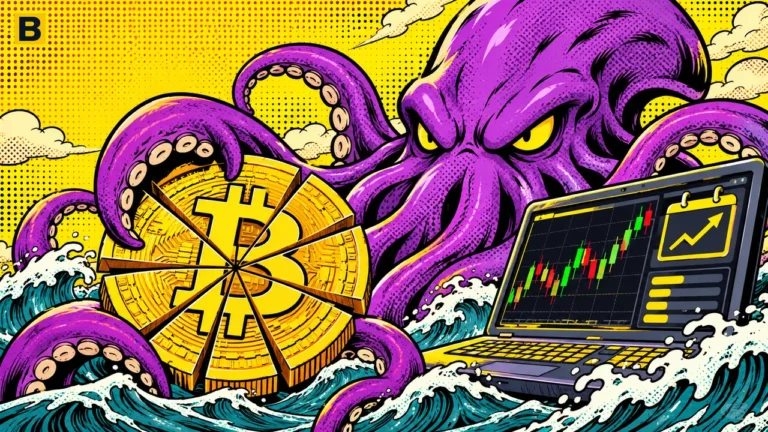
Binance has announced a collaboration with Cboe Global Markets to make traditional financial market benchmark data available through its cryptocurrency trading platform and mobile app.
According to the official announcement, the exchange disclosed the collaboration on November 24. The rollout brings the S&P 500, Dow Jones Industrial Average and Nasdaq-100 to Binance’s platform, mobile app and Binance AI. Binance says it plans to add more benchmarks.
Binance Cboe partnership expands market information
An index is a measure designed to track the performance of a defined group of assets or a particular market. Index data can help users compare price movements across markets without having to follow every individual security.
Access to benchmark data on a crypto platform may make it easier for traders to monitor developments in traditional finance alongside digital asset prices. That is a market information feature rather than ownership of the securities included in an index.
Market data is different from trading access
The announcement does not mean every index displayed on Binance will become a tradable product. A displayed price can serve as a reference even when users cannot buy the underlying assets through the platform.
A derivative linked to an index is also different from an investment fund tracking that index. Derivatives may involve margin, funding payments and liquidation risk. The terms of any separately offered trading product determine the exposure a customer receives.
Why benchmark quality matters to crypto traders
Different data providers may calculate market indicators using different inputs and update schedules. Users should understand which market an index represents, the currency used for its calculation and whether the value reflects a live or closed trading session.
Real-time access can reduce the need to switch between applications. It does not guarantee that an order will execute at the displayed benchmark price. Actual trading prices depend on the product, available liquidity and market conditions.
What the collaboration does not establish
Binance’s announcement does not establish that Cboe has approved every crypto product offered by the exchange. A data arrangement should not be confused with regulatory approval or a guarantee about the safety of an investment.
The availability of the data may vary by region. For an example of a distinct trading product, see BlockBriefing’s coverage of Binance’s TradFi perpetual futures. The announcement does not provide evidence of an increase in trading volume attributable to the integration. Customers should evaluate the actual service as it becomes available.
Licensing a benchmark is different from determining the settlement price of a trading product. A company can distribute index data without providing access to the securities behind the index. Traders should consult the contract specifications of any related product before assuming the benchmark determines their profit or loss.
For instance, digital assets can continue trading while a traditional securities market is closed. Depending on the methodology of the benchmark, its last available value may remain unchanged even while crypto markets move. A comparison between the two requires an understanding of their different trading schedules.
Another consideration is how market information is presented within the exchange. Clear labels identifying the index provider, observation time and currency can help users distinguish a benchmark from an executable quote. The collaboration’s value will ultimately depend on the information actually made available to customers.