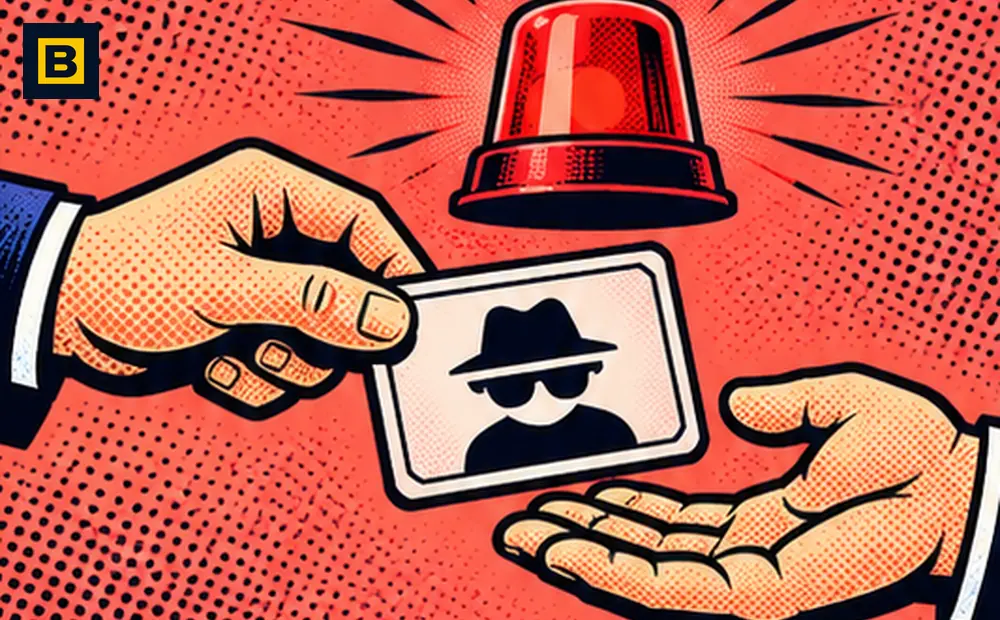
Bithumb warned customers on November 25 against lending out their crypto exchange accounts or accepting payments to trade and transfer funds for someone else. The South Korean exchange said those arrangements can draw the registered account holder into fraud or money laundering.
In Bithumb’s official fraud advisory, the exchange said customers should reject offers to hand over an account, share identity documents or process deposits and withdrawals for someone whose funds have an unclear origin. It cited voice phishing and other forms of financial fraud as reasons for issuing the notice.
How Bithumb describes account-rental offers
The advisory covers two related scenarios. One involves allowing another person to use an account registered in the customer’s name. The other involves keeping control of the account while agreeing to execute trades, accept deposits or send withdrawals on someone else’s behalf. Bithumb described both as potential routes into criminal activity.
The second scenario matters because a person can remain in control of their login while still letting someone direct activity through the account. The exchange’s warning applies to the activity performed under the customer’s identity. A promise of high returns can be part of the approach, even when the person making the offer describes the work as ordinary trading assistance.
Bithumb said customers could face financial losses or restrictions on their accounts if the accounts are used in a crime. It also warned that legal consequences can depend on how an account was used. An exchange account connects recorded activity to the person who opened it, making the identity of the account holder relevant when transactions come under review.
Bithumb tells users where to report suspicious activity
The advisory directs customers who suspect their account was used in criminal activity to contact law enforcement. It also identifies Bithumb’s support center as a resource for questions and reports. Customers can find the official contact information in the November 25 notice.
The company asked account holders to keep identity documents and account passwords private. Those details can matter even outside the exchange if someone uses them to impersonate the owner. The same reasoning applies to an offer that asks a customer to accept funds first and move them on later. The exchange warns against acting as an intermediary when the source of the money is unclear.
Bithumb’s notice is a warning about a pattern of activity. It did not provide a case count or an estimate of customer losses. Its focus was on the offer itself and the decisions an account holder faces before handing over credentials or agreeing to handle funds.
For an exchange customer, the clearest point is that the warning applies to both direct access and transactions carried out for someone else. Keeping the password private still leaves exposure if the account holder agrees to move funds under another person’s instructions. Bithumb advises customers to decline either request and contact its official support channel or law enforcement if they see signs of criminal use.
The warning applies even if the offer is described as a commission and you would keep your password. A request to move funds at someone else’s direction is enough to stop and verify it with Bithumb directly.