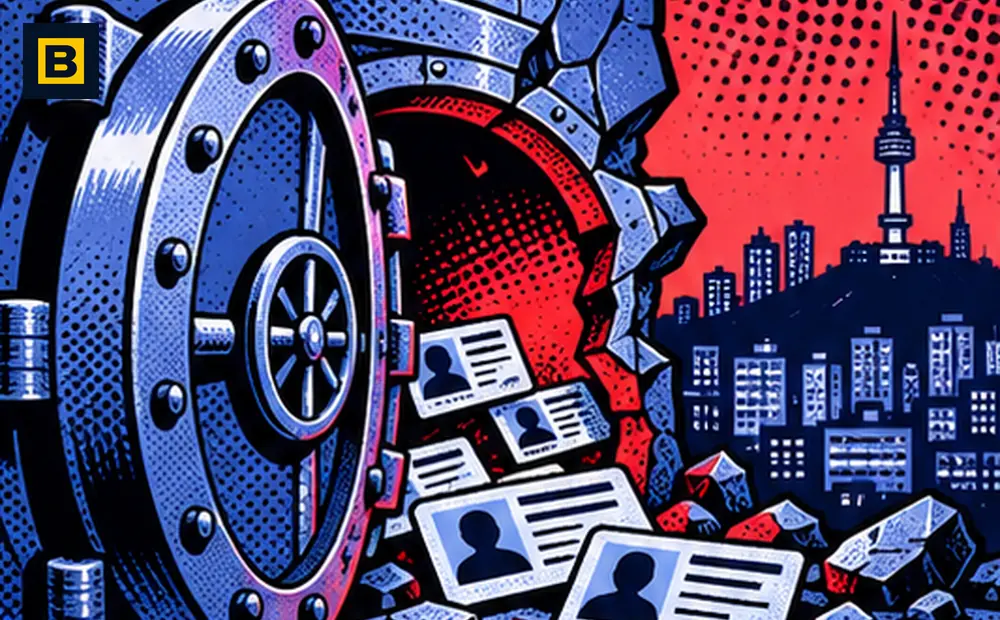
Bithumb said on November 25 that a follow-up review of an October data breach identified more people and categories of information affected. The South Korean crypto exchange said records in the expanded disclosure may include identity details, transaction histories and wallet addresses. The types of information exposed vary by person.
In Bithumb’s updated disclosure, the exchange said the findings relate to the same incident it disclosed on October 29. The affected system was DaouOffice, a platform for internal work, which Bithumb said was separate from the systems that manage exchange accounts and assets. The company said it found no evidence that intruders directly breached its exchange systems or customer database.
What Bithumb’s new disclosure says
The exchange identified customers, workers at partner companies, and current and former employees as affected groups. Its list of potentially exposed information includes names, phone numbers, email addresses, dates of birth and account or membership numbers. It also includes passport and driver’s license details, copies of identity documents, wallet addresses and transaction records.
The disclosure does not assign the same set of records to every affected person. Someone whose contact details were exposed may face a different risk from someone whose identity documents or financial information appeared in the incident. Bithumb said individual notices and a lookup service would tell customers whether they were affected and which data fields the review identified.
According to the company, unauthorized access to the internal platform occurred between October 12 and October 27. Bithumb said it blocked the access route and stopped using the affected platform as part of its response. It also said it was working with the service developer to review what happened.
How Bithumb says it is responding
If you receive a message about the breach, open Bithumb through your usual app or saved website address and check its notice there. Avoid links or requests for passwords, verification codes, or transfers in unsolicited messages.
Bithumb said it increased monitoring for unusual trades and withdrawals. The exchange also said it was strengthening protection around abnormal account activity. These steps accompany the individual notifications, which the company says will detail the information involved and the measures available to each recipient.
The categories of exposed information cover both financial and identity records. A wallet address identifies a destination on a blockchain. When a record connects it to a person or a trading history, it can reveal more than the address would reveal alone. The exchange’s notice says the combination of data involved depends on the individual.
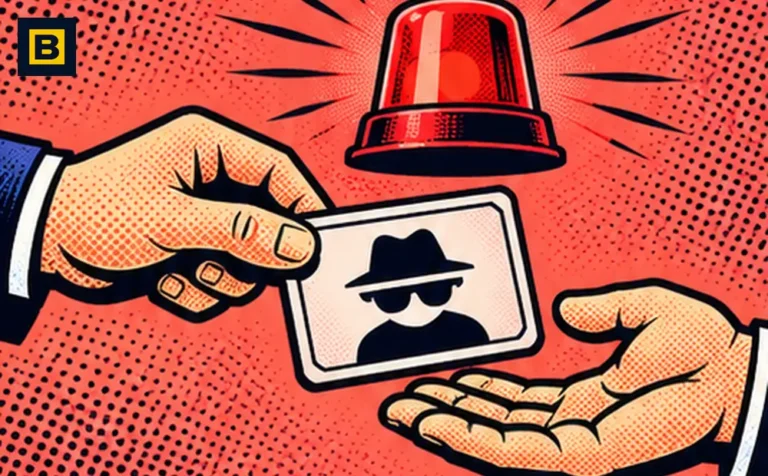
The update also matters for customers who receive messages about the incident. Bithumb issued a separate impersonation warning on November 25 after identifying fake websites that sought personal information. Customers can reach the breach lookup from the exchange’s official notice and use the site or app directly when checking whether a message is genuine.
Bithumb attributed the latest findings to continued analysis of the October incident. Its November 25 notice describes an expanded understanding of the information exposed. The company says its additional review is ongoing, so the lookup service and personal notifications are the sources for details about specific customers.
The company’s distinction between the work platform and the trading system is important when reading the list. Information about transactions can appear in internal records. Its presence in the disclosure does not establish that whoever accessed those records gained control of exchange accounts.